With the Jordiebears, in March 2025.
Of the Mu’tah Battlefield, the Maqam of the Companions ﵃, and Wadi Rum.


We began the next day bright and early. AO and I were blessed to have Ustazah Zahra as our roommate, for the latter was the unofficial guide for the tour, having lived in Jordan for many years as a student. It was also these few nights spent in Jordan together that kept us close even though we got separated later in Palestine due to room configurations. AO and Ustazah Zahra are childhood friends who attended the same madrasah, and as with a lot of AO’s friends, she soon became mine too.


After a long wait at the lobby due to miscommunications with our bus driver, we decided to head to the University of Jordan by ourselves first since it was a short ten minutes walk away. I didn’t mind it one bit; strolling in the winter sun is definitely up there in my list of favourite things to do when travelling.
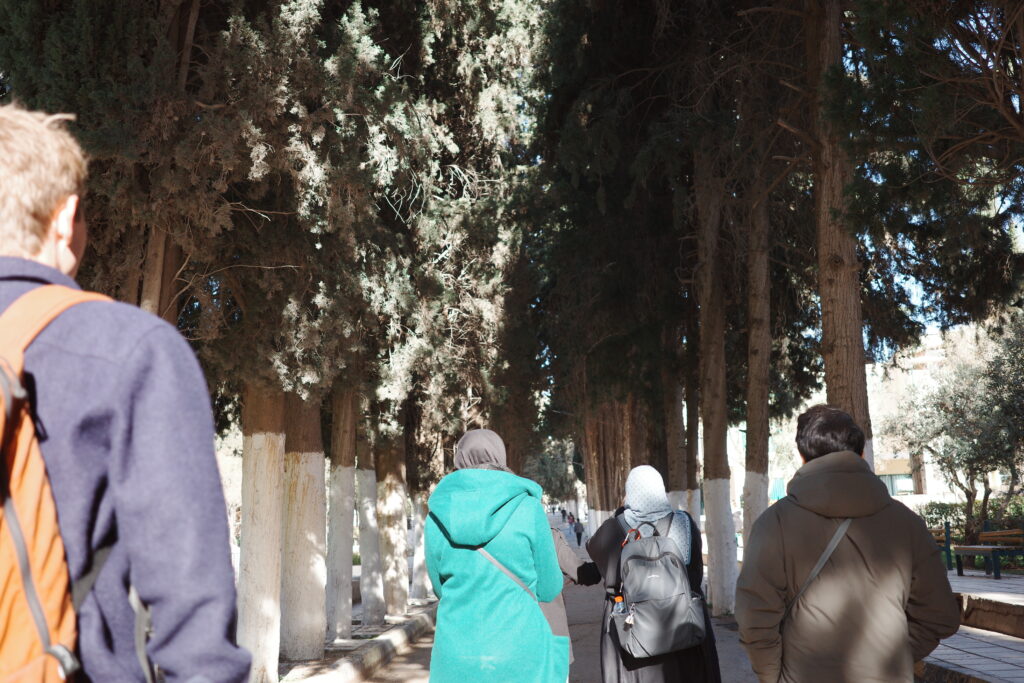
White-lined trees bordered the pathways of the university as throngs of students holding white papers (it was their exam week) made their way to various campuses. Another Google Search curiosity: the white coat of paint protects the trees from environmental stress, pests, and diseases. (And here we thought it was just for aesthetics.)
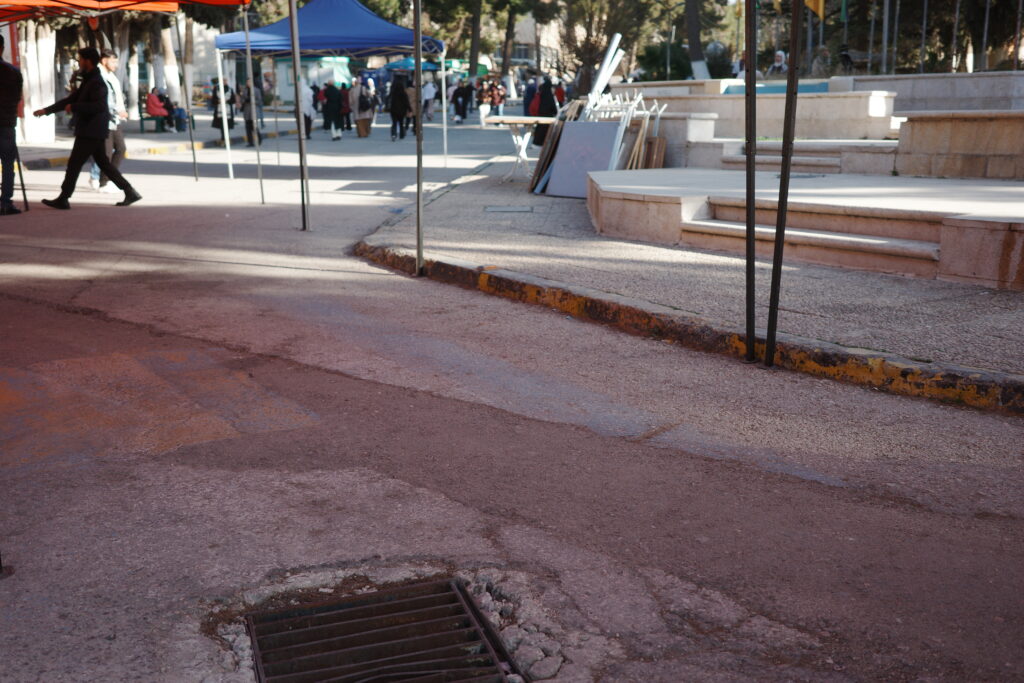
In the courtyard, faded blue paint on the asphalt hinted at anti-Isra*l sentiments; a graffiti of the Isra*li flag, now trampled into oblivion.
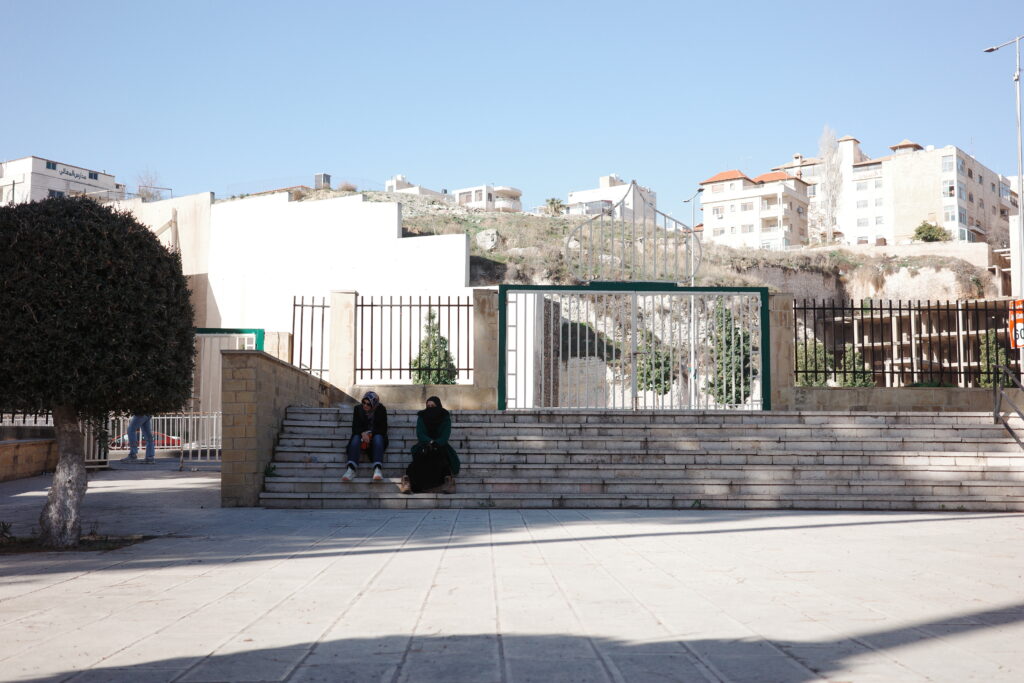
After more waiting for the bus, we finally began our journey to the first official stop of the day: The Battlefields of Mu’tah.
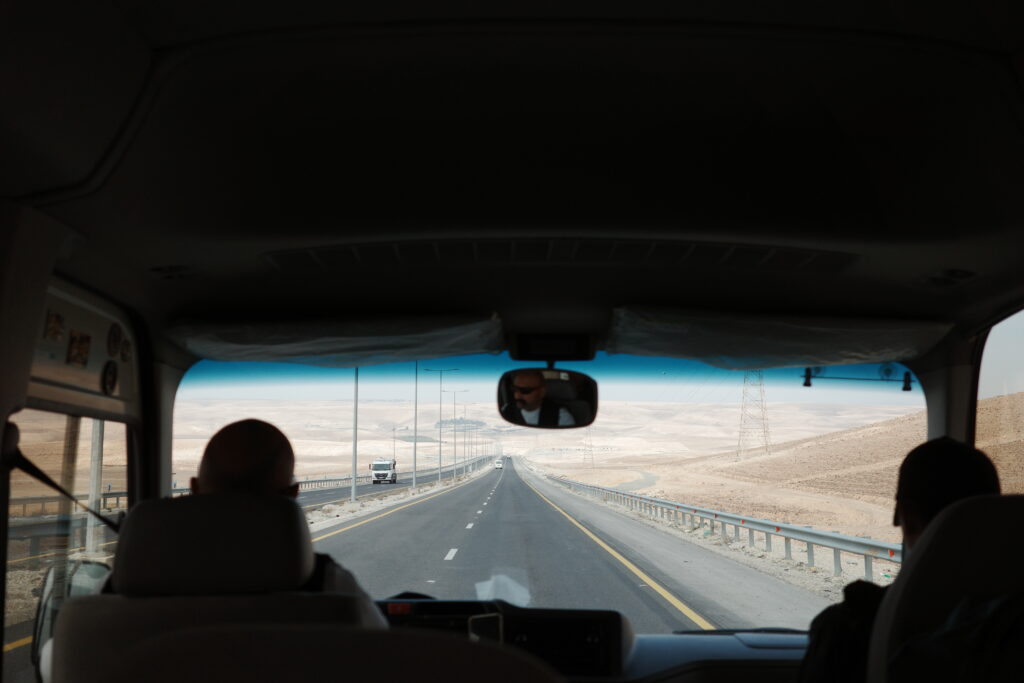
The journey took around 2-3 hours. Accompanied by the beautiful and varying Jordanian landscape, I tuned in to online lectures on the Battle of Mu’tah, as well as on the Companions ﵃ that were laid to rest there. Al-madad ‘ala qadr il-masyhad: The spiritual assistance we receive [towards someone or something] is as per the perception we hold towards it. The longer we drove, the more I learnt, and the more my heart longed for the arrival.
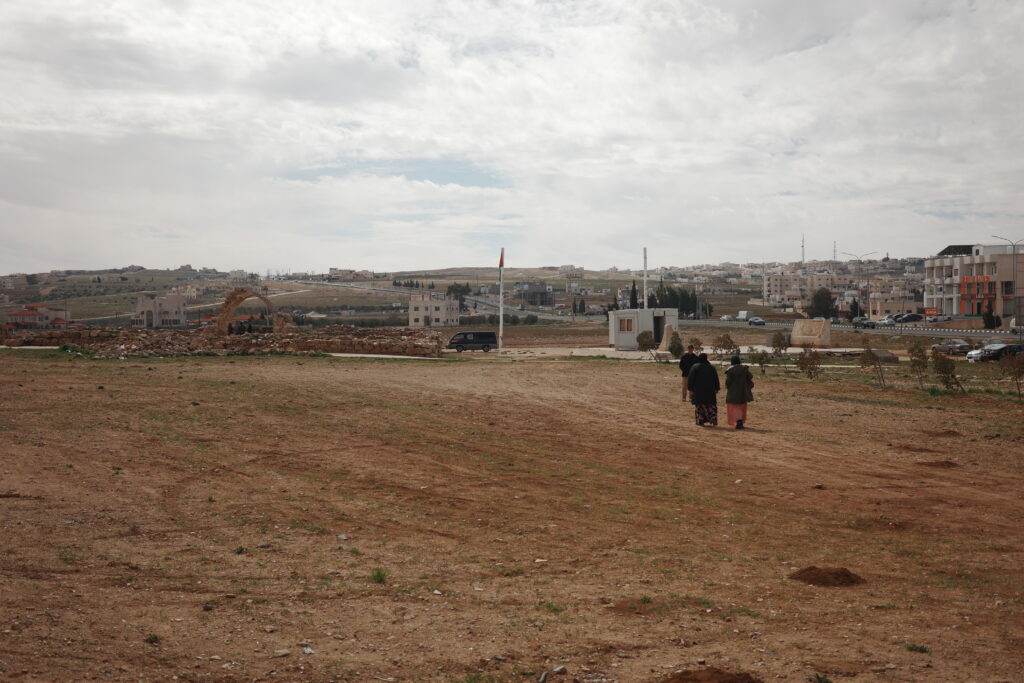
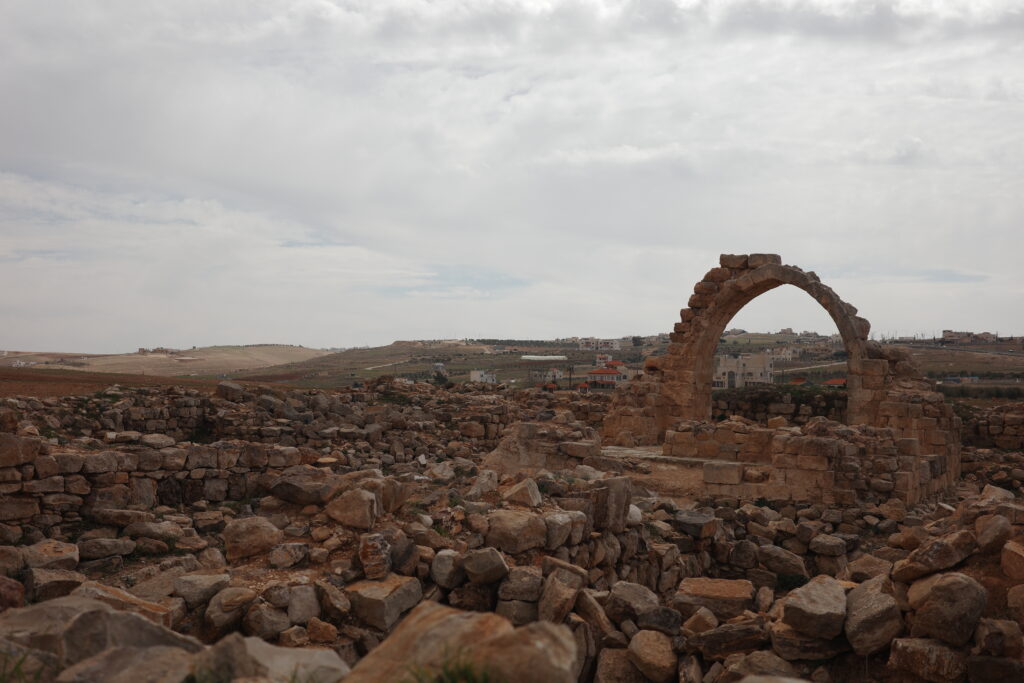
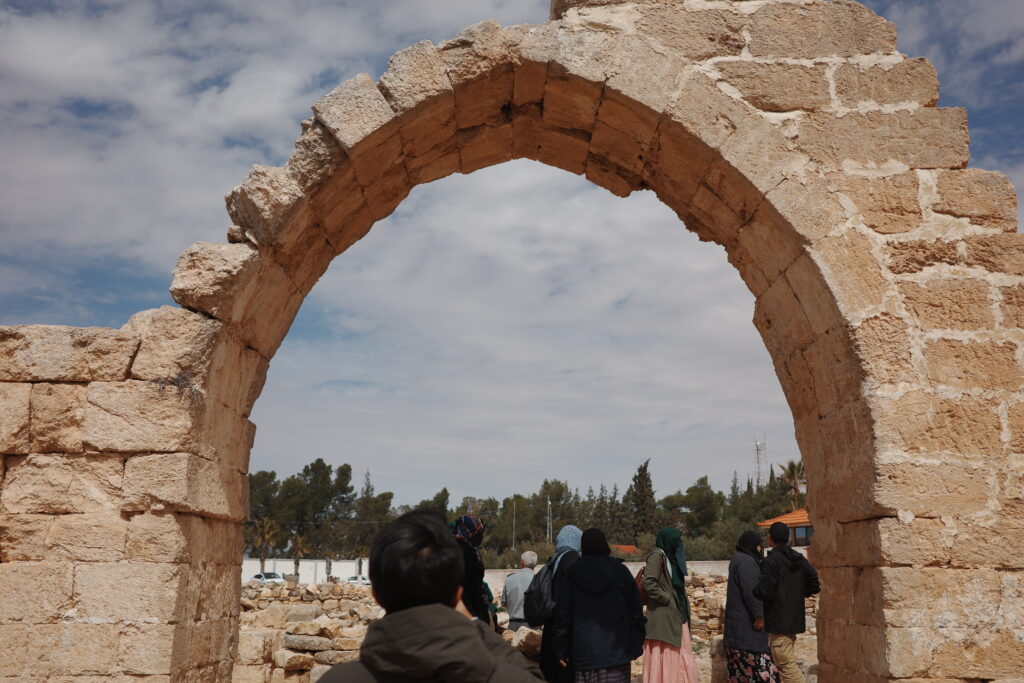
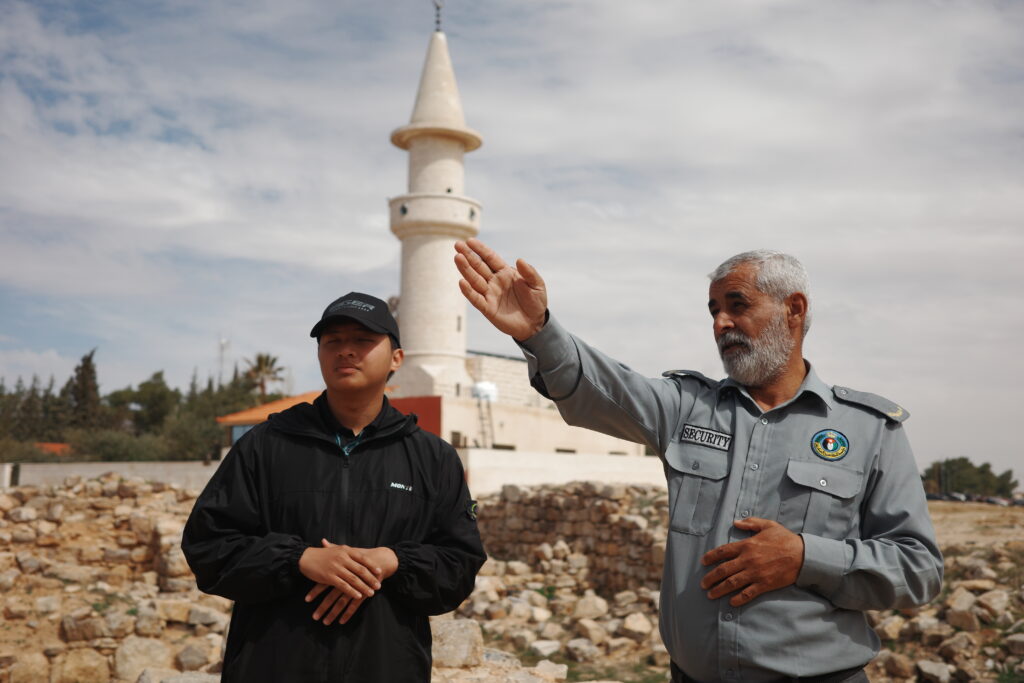
Standing on ruins which once witnessed the battle –while listening to the Ustaz/Guide, the added commentary by the ‘ammu who happened to be there, and recalling what I listened from the lectures earlier– it was as if I could hear the neighing of the horses and the drums of the battle once more. In fact, as the ‘ammu mentioned, some locals claim that sounds of battle do ring through the night on occasion. Wallahu’alam.


A short distance away from the ruins were the compounds in which three Companions beloved to Rasulullah ﷺ were laid to rest: Sayyidina Ja’far ibn Abī Ṭālib ﵁, also known as Ja’far aṭ-Ṭayyār, Sayyidina Zayd ibn Ḥāritha al-Kalbī ﵁, so beloved to the Prophet ﷺ that he wanted to adopt him, and Sayyidina Abd Allah ibn Rawahah ibn Tha’laba ﵁, the warrior-poet. The compounds carried a serenity that seemed to descend and envelope those who enter; I found my inner dialogue quiet in the presence of these giants.
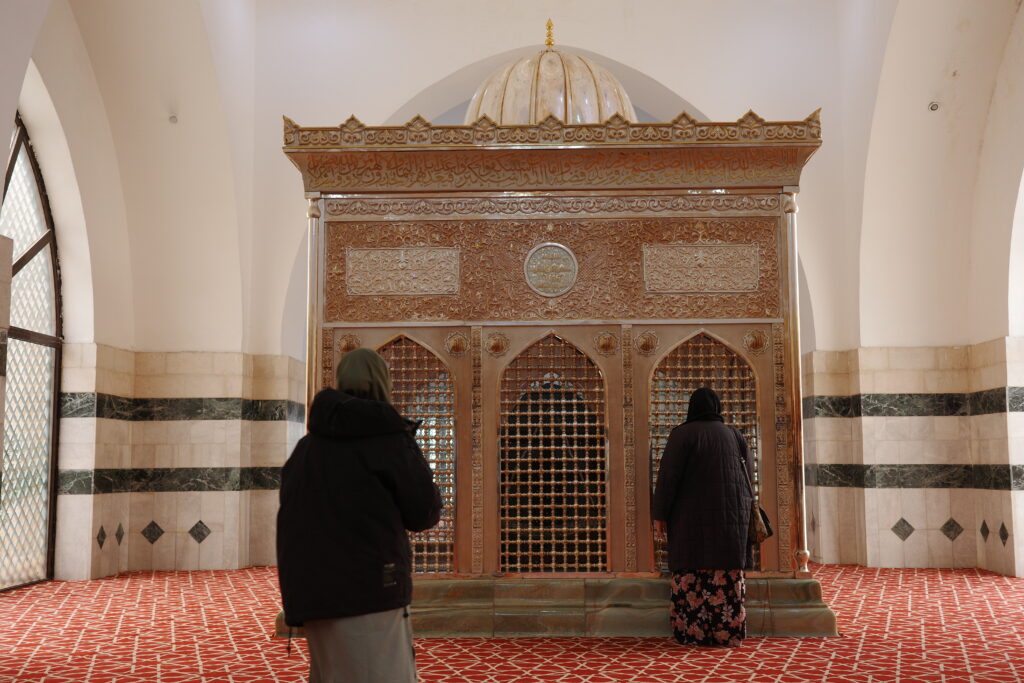
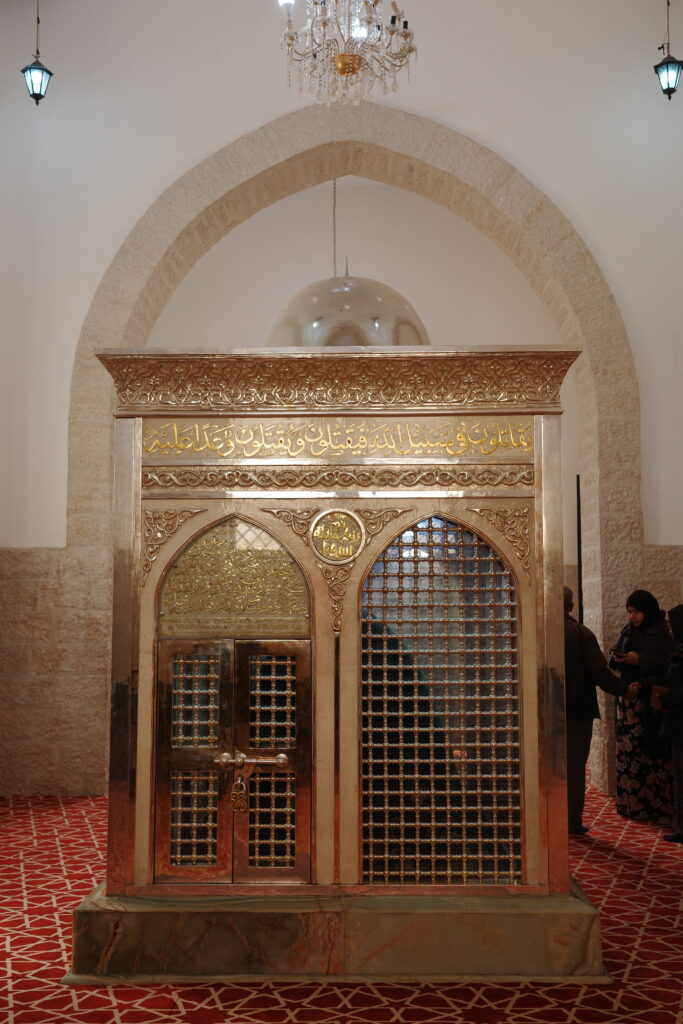
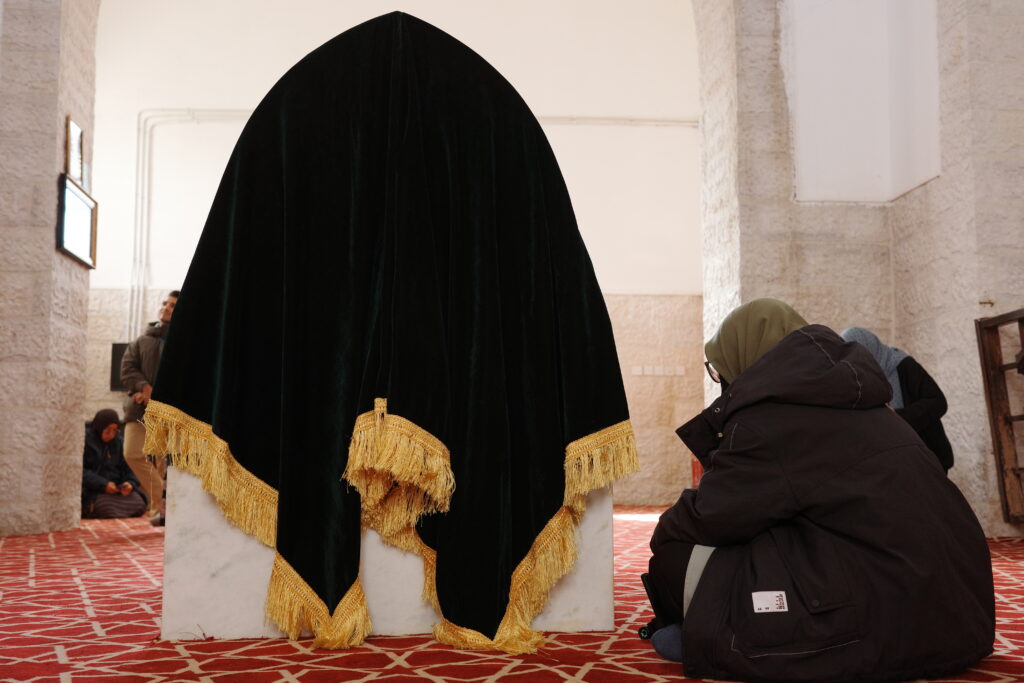
All three of the above Companions ﵃ were appointed by the Prophet ﷺ as flag-bearers during the Battle of Mu’tah, and were gifted martyrdom during said battle.
Abdullah bin Umar ﵃ said:
“Allah’s Messenger (ﷺ) appointed Zaid bin Haritha as the commander of the army during the Ghazwa of Mu’tah and said, “If Zaid is martyred, Jafar should take over his position, and if Jafar is martyred, Abdullah bin Rawaha should take over his position.’ “Abdulla-h bin Umar further said, “I was present amongst them in that battle and we searched for Jafar bin Abi Talib and found his body amongst the bodies of the martyred ones, and found over ninety wounds over his body, caused by stabs or shots (of arrows).
Their martyrdom was also announced in real time by the Prophet ﷺ; it was as if the Prophet ﷺ could see the battle unfold before his noble eyes:
Narrated Anas ﵁:
The Prophet (ﷺ) had informed the people of the martyrdom of Zaid, Jafar and Ibn Rawaha before the news of their death reached. The Prophet (ﷺ) said, “Zaid took the flag (as the commander of the army) and was martyred, then Jafar took it and was martyred, and then Ibn Rawaha took it and was martyred.” At that time the Prophet’s eyes were shedding tears. He added, “Then the flag was taken by a Sword amongst the Swords of Allah (i.e. Khalid) and Allah made them (i.e. the Muslims) victorious.”
For a virtual ziarah with a short introduction to each Companion ﵃, I highly recommend watching this visitation by Imam Omar Suleiman. As for our ziarah, at each Companion we gave our salaams, recited du’as and surahs, spent time listening to the life of said Companion, and contemplated the lessons we would bring home from them. At Sayyidina Zaid’s I prayed to love and to be loved by the Messenger ﷺ , at Sayyidina Ja’far’s I prayed for courage to give for the Messenger ﷺ, and at Sayyidina Abd Allah’s I prayed to write in service of the Messenger ﷺ .
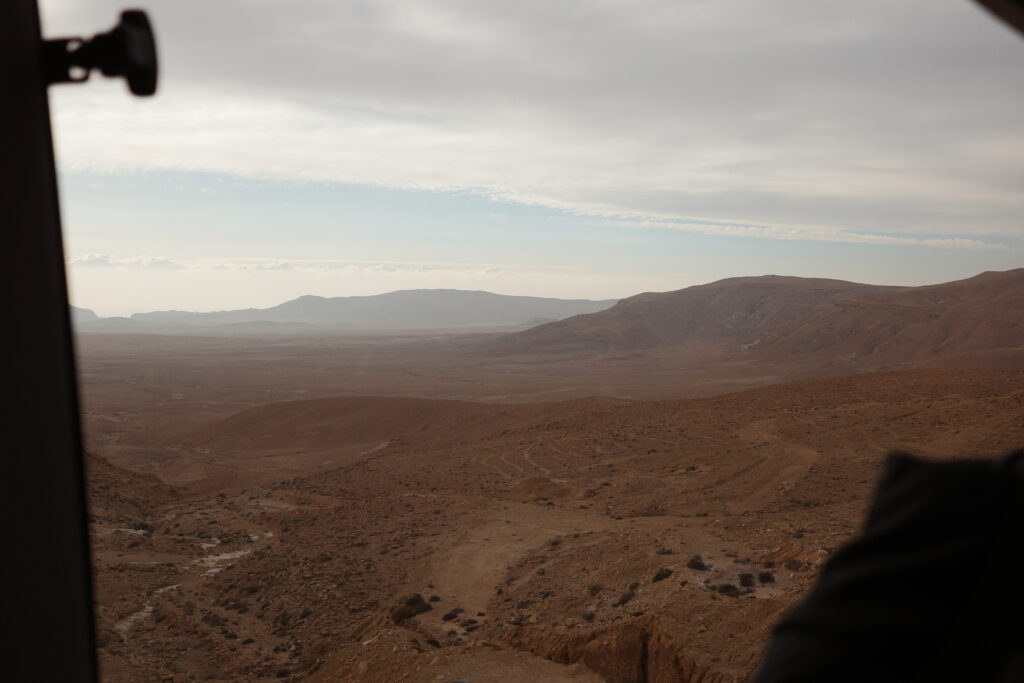
With heavy hearts and a reluctance to leave the sanctuary, we boarded the waiting bus and journeyed another 3 hours towards Wadi Rum, a valley cut into the sandstone and granite rock in southern Jordan. The popular tourist site was the background setting for several films, two of which made the geeky side of me go starry eyed: Dune and Dune 2.


It was almost sunset by the time we reached the outskirts of the valley. Two jeeps were already eagerly awaiting for our arrival; the moment we got off the bus, our bags got loaded into the front of the jeep, while the humans clambered onto its open-air back. Within minutes, we were off.


The pictures (and videos) do no justice at all to the beauty of Wadi Rum, mashaAllah. When the initial gleeful squeals finally quelled, the silence of the desert took over our souls. We passed by beautiful rock formations, pockets of accommodations (of which I smiled each time we went past one and ventured further inwards) and a handful of other jeeps ferrying more tourists. Fine brown sand stretched as far as the eyes could see, and the sky over us dressed itself in hues of blue, yellow and pink. It was getting late, yet a part of me seemed to stir awake.
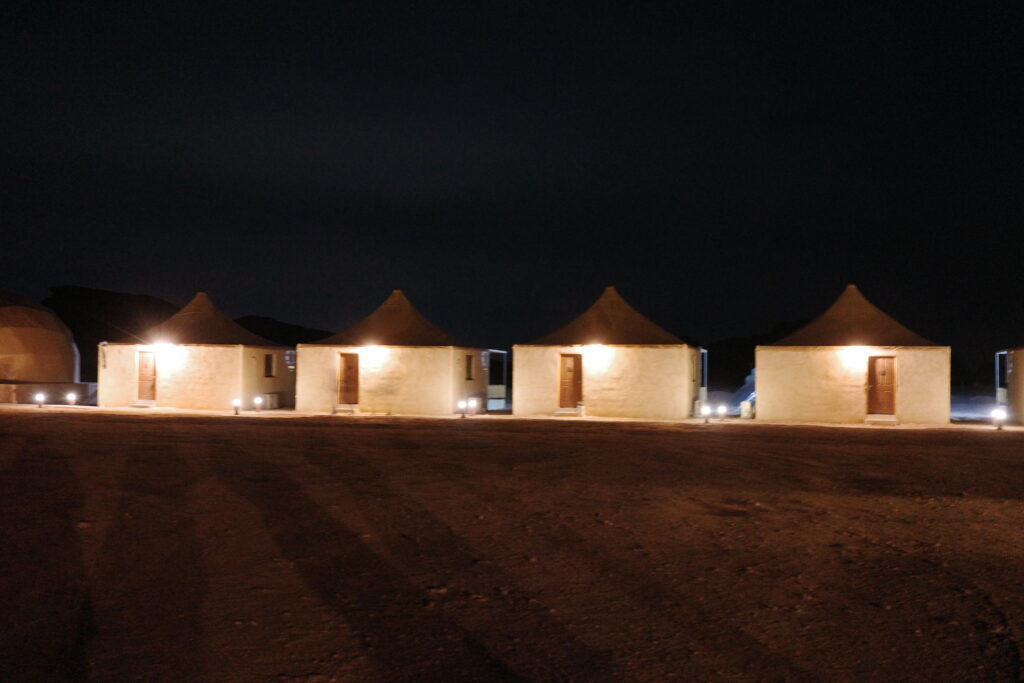
After sometime, our jeeps finally pulled into a “campsite”. Relief descended when a peek into my room revealed an en-suite modern toilet (I was legitimately worried I would have to “go” in the middle of the night in the middle of nowhere like we had to en-route to Tarim from Oman.)
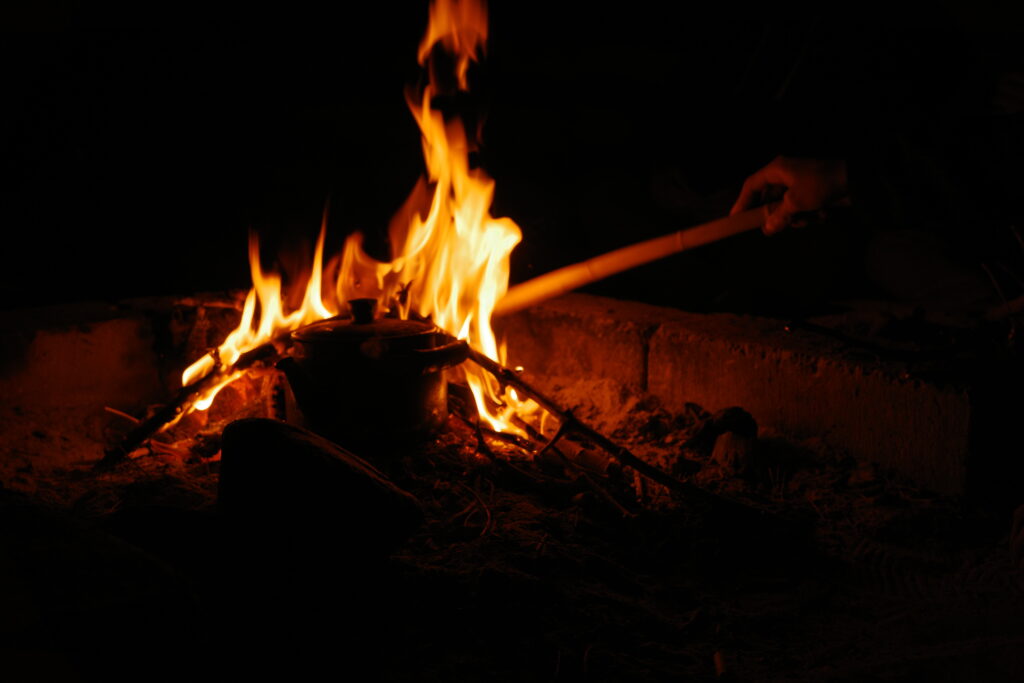
After a simple buffet dinner, tea, and a storytelling session by the owners, we then voted to go for an optional experience: a chance to sit around a campfire and stargaze, deeper in the bowels of the desert. If the silence we experienced earlier during sunset was loud, the silence we experienced this time was something indescribable. SubhanaAllah.
We pulled up around half an hour later to an area that had a ready-made large tent standing, and what seemed like a makeshift stable for a couple of camels. It was pitch-black, but sadly both the moon and the stars hid from us, behind looming clouds of rain. Our guides started up a campfire inside the tent, passed around some tea which they brewed with said fire, and we took turns spending time in the tent and on a sheet of carpet placed outside. While we did not see as many stars as we had hoped, it was still a worthwhile experience.
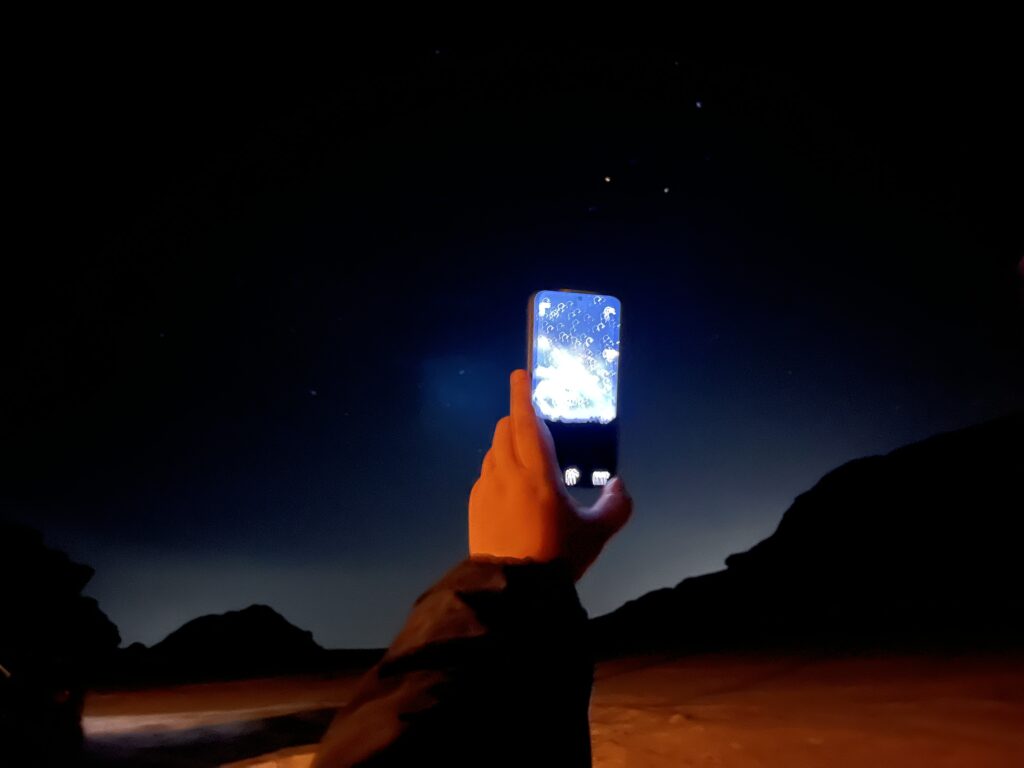
The irony did not escape us that when we returned to camp some Jordanian Dinars lesser later, the skies cleared up, and a sprinkling of stars decorated the night sky. Exhausted but content, we retreated to our rooms, harbouring higher hopes for the sunrise tour that we signed up for as well.
Discover more from 57:16
Subscribe to get the latest posts sent to your email.
One Comment